

The Role of Proper Water Management in Ensuring a Durable Surface
When planning any landscaping project, you can’t ignore the importance of drainage. Efficient water management is crucial for many aspects of your home, including driveway installation. Poor drainage can lead to numerous issues that compromise the integrity and longevity of your driveway. Understanding how drainage affects your project’s success helps ensure you make informed decisions for a durable and long-lasting surface.
The Importance of Water Flow
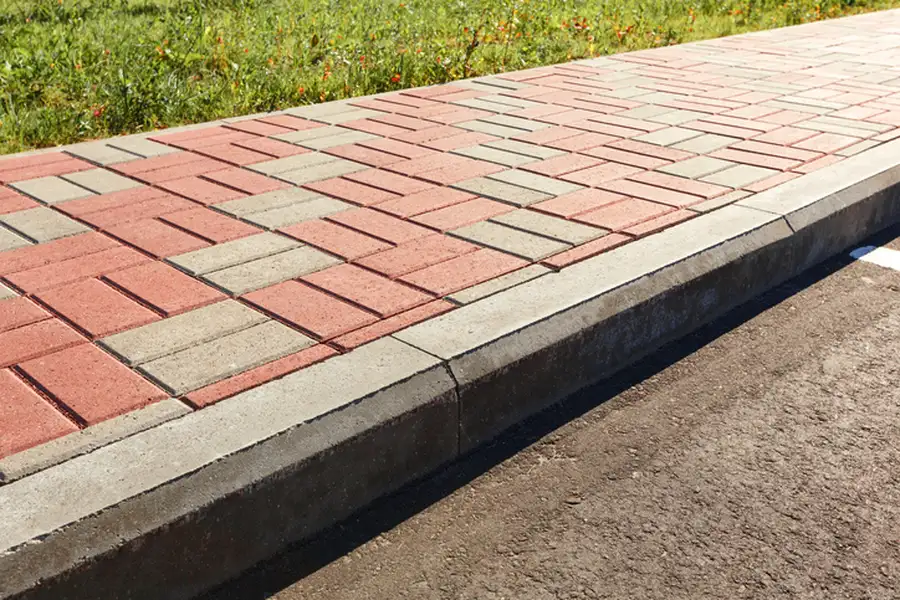
Water flow is one of the key factors in maintaining driveways. When water accumulates on or around them, it can cause damage over time. Standing water weakens materials, leading to cracks or potholes. During harsh weather, freeze-thaw cycles can exacerbate these issues. By planning proper drainage systems, you help prevent water from lingering around your driveway.
Driveway Installation: Choosing the Right Materials
Selecting appropriate materials during driveway installation is vital for accommodating effective drainage. Porous pavers or permeable concrete allow water to seep through rather than pool on top. This choice minimizes erosion and reduces the risk of flooding, ensuring your driveway remains in prime condition.
Elevating Surfaces for Better Runoff
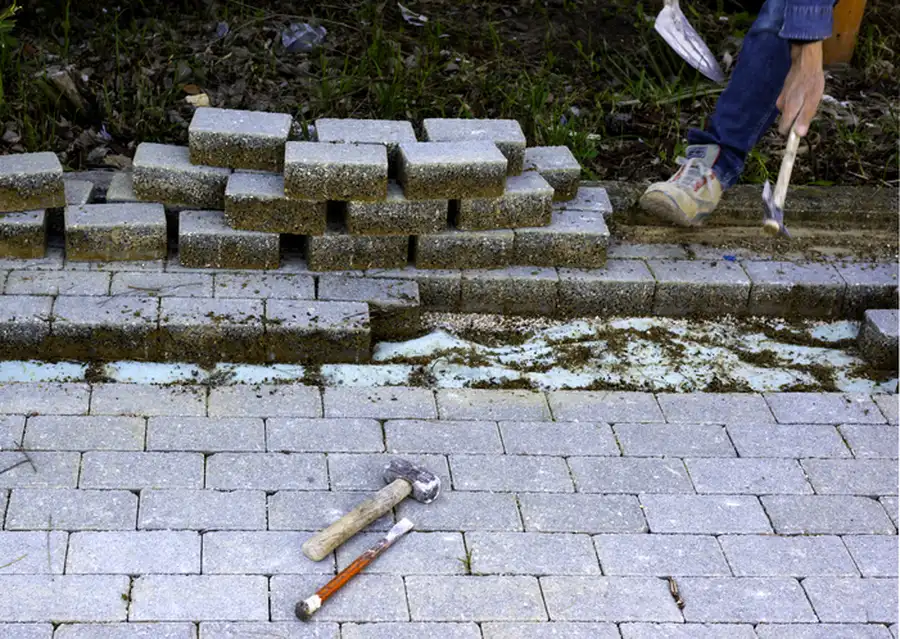
Another critical consideration involves how surfaces are graded. During driveway installation, slightly elevating the surface creates natural runoff paths for water to follow. Sloping the pavement away from structures and towards designated drainage areas ensures that water does not collect where it shouldn’t, protecting both your driveway and foundation.
Common Drainage Challenges
Poorly designed drainage systems often lead to significant issues. Some common problems include:
- Pooling water causing surface wear
- Cracks from freeze-thaw cycles
- Erosion weakening sublayers
Implementing Effective Solutions
Tackling these challenges requires strategic planning. Here are some steps to improve drainage:
- Assess current site conditions and potential water flow issues
- Choose materials that support permeability
- Work with professionals to design efficient grading and sloping plans
- Regularly inspect and maintain installed drainage components
Best Practices for Long-Term Success
To ensure optimal results, it’s crucial to adhere to industry standards. Here are some tips:
- Select quality materials suited for regional climates
- Maintain regular inspections to check for drainage efficacy
- Address minor issues promptly before they become major concerns
Understanding Relevant Regulations
Adhering to local building codes regarding driveway installations is necessary. These regulations often address drain requirements, ensuring proper runoff management while conserving environmental resources. Consult with municipal guidelines before beginning your project to stay compliant and protect natural ecosystems.
Weighing Cost Considerations
Investing in proper drainage might seem costly upfront, but it’s cost-effective in the long run. Addressing water management during driveway installation can save thousands in repair costs by preventing damages like cracking or erosion. The value added by a well-maintained driveway outweighs initial expenses, resulting in a better ROI and peace of mind.
Your Pathway to a Successful Project With Expert Guidance
A successful driveway project combines thoughtful material selection, expert installation, and ongoing maintenance-all driven by effective drainage strategies. At Gil's Maintenance, our team specializes in creating lasting solutions tailored to each unique setting. Contact us today at (619) 752-8413 for professional insight into all your needs. Located in San Diego, CA, we serve clients who prioritize quality and durability.